Okay, so check this out—I’ve been poking around crypto logins for years, and the whole OKX login flow has this weird mix of slick polish and odd little edge cases. Wow. At first glance it’s smooth. Then your second trade, or your first withdrawal, and somethin’ else pops up. My instinct said “this will be straightforward,” but actually—wait—let me rephrase that: it’s straightforward until it isn’t, and that gap is where most users trip up.
Short version: prepare for a couple of extra steps. Seriously? Yes. The exchange is built with security-first ideas, which is great, though actually the UX sometimes buries the real cost of those protections. On one hand, more steps reduce risk. On the other, they can make you fumble when you just want to check a balance before coffee. Something felt off about seeing multi-factor prompts after I thought I’d already set them up—turns out I hadn’t completed a backup step. Doh.
Here’s the thing. If you’re in the US and trading regularly, OKX gives you low fees and a wide asset list, but handling account access — especially web3-linked wallets and cross-device logins — needs attention. Initially I thought the web interface would behave like every other exchange, but then I logged in from a new browser and was reminded that identity checkpoints come back to bite even experienced users. On one hand the protective screens are reassuring; though actually they often pop up when you least expect them, like after a cookie clear or using private browsing.
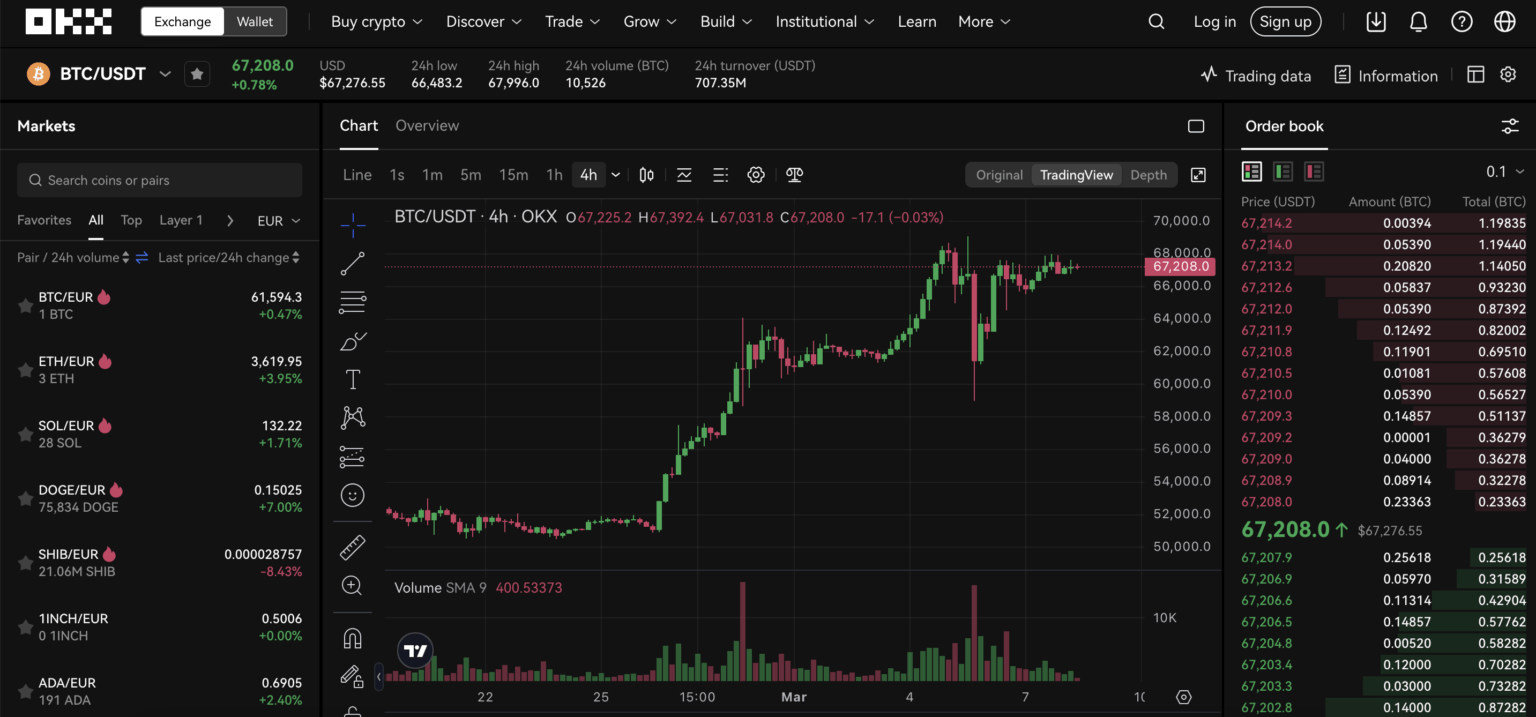
Walkthrough: logging in without the panic
Okay—step-by-step, casual tone. First, go to the official OKX login page, or if you prefer a shortcut, here’s a helpful link to the official login instructions: okx login. I’m biased, but bookmark it. Really.
Start with an honest email or phone that’s active. Why? Because recovery is a whole saga if your contact method is outdated. Hmm… I once tried helpin’ a friend recover access using an old burner number—never do that. Medium-sized tip: enable 2FA (Google Authenticator or a hardware key) the moment you’re in. Longer thought: a hardware key like a YubiKey pairs well with OKX’s advanced security flags—if you value sane withdrawals and want fewer frantic “verify now” popups later, invest the five minutes now.
Also: link a web3 wallet if you plan to use decentralized features. That connection changes session behavior. On one hand it makes certain actions smoother, though actually linking a wallet can add another prompt that looks like a login error if you haven’t allowed pop-ups. Annoying? Yes. Avoidable? Usually—just check pop-up settings before linking.
Small practical checklist—quick and not exhaustive:
- Use a unique password manager generated password.
- Enable 2FA (authenticator app preferred).
- Whitelist your device for faster re-login when safe.
- Save recovery codes somewhere offline.
- Link an external wallet only after checking browser permissions.
Why web3 makes OKX login feel different
Web3 functionality is cool. Really cool. But it injects new failure modes. You get permissions dialogs, signature requests, and sometimes unexpected nonce errors. My gut reaction when a signature failed was “did I lose my key?” — false alarm. Usually it was a mismatched chain setting or a wallet app that hadn’t updated. On the other hand, these signatures mean actions are more explicit and auditable—which is good—and yet the UX often assumes you already know the lingo. That bugs me.
Here’s a longer thought to chew on: when OKX integrates web3 flows, they bridge two ecosystems—custodial exchange security and noncustodial wallet autonomy—so the login system has to juggle session tokens, on-chain signatures, and off-chain verification. That juggling act introduces latency and extra prompts. So yeah, you’ll see more checks than on a plain exchange-only account, and some of those checks look redundant even when they’re not.
Troubleshooting common hiccups
Login blocked after VPN? Try turning it off or using a consistent location—especially if OKX prompts extra verification. Really simple fix: log in first from your usual IP, then add the new location as a trusted device. If email confirmation never arrives, check spam and then reset the sent timestamp—I’ve had confirmation emails delayed by corporate mail filters. Something felt off about the delay—but patience, or switching to a different address, typically clears it.
Locked account after too many tries? Breathe. Then follow the recovery flow exactly. On one hand it’s slow; on the other, it’s designed to stop social-engineering attacks. Keep receipts of any support ticket numbers—trust me, that helps when you need to follow up. Also: don’t hand over sensitive info over Telegram DMs that claim to be “support”—that’s a frequent scam vector, and yes, people fall for it even if they’re crypto-savvy.
FAQ: Quick answers to things you’ll ask
What if I lose my 2FA device?
Answer: Use your saved recovery codes or the account recovery path. If you didn’t save codes—oops—prepare for identity verification with support. I’m not 100% sure about every step in every case, but generally OKX asks for ID photos and a short video. Keep calm and follow the prompts.
Can I use a hardware key?
Answer: Yes. It’s one of the best ways to reduce phishing risk. Hardware keys are a little extra friction up front, but they’re worth it if you hold significant assets. Personally I prefer them for accounts with regular withdrawals—call me cautious.
Is web3 login safer than email/password?
Answer: Different risk models. Web3 wallet signatures remove password theft risks but add private-key custody responsibility. So, on one hand, fewer central points of failure; though actually if you lose your wallet key, recovery is near-impossible. Tradeoffs, right?
Alright—final honest takeaway: OKX login is robust but occasionally eccentric. You get solid security, broad features, and web3 hooks that will both delight and confuse you depending on your background. I’m biased toward conservative setups—use a password manager, enable 2FA, and consider a hardware key. There’s no perfect path, but these steps reduce the messy middle where most mistakes happen.
One last thing: bookmark the login guidance early and treat recovery codes like cash. Somethin’ as small as a missing code can turn a quick login into an all-day support marathon… and nobody wants that.